

5 Essential Facts About Polygraph Tests
Fact 1: Polygraphs Track Stress Responses
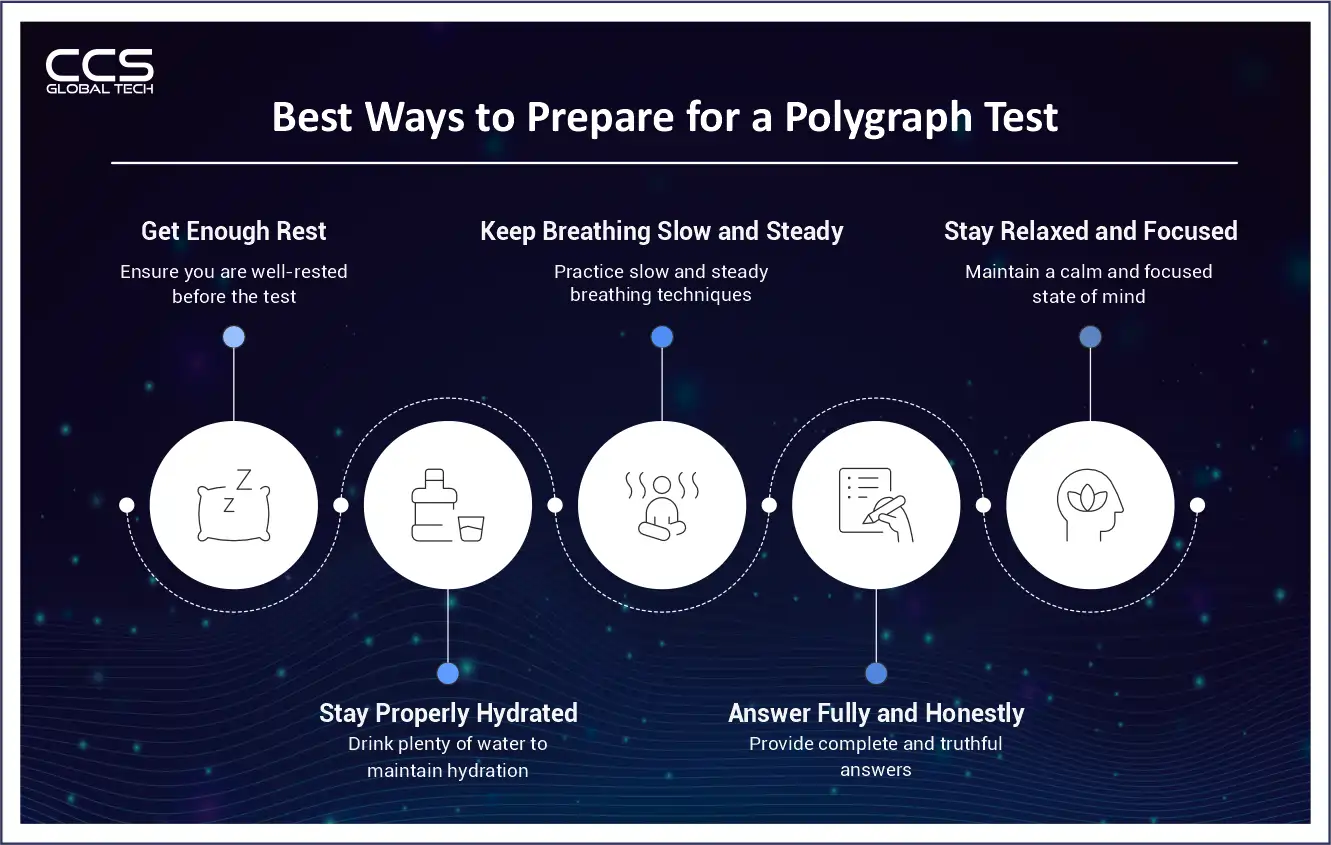
Fact 2: Polygraph Screening Can Produce Misleading Results
Fact 3: Most Polygraph Testing Happens in Federal Programs

Fact 4: 50-67 Percent Failure Rates Are Intentional Screens
Fact 5: Honest Responses Improve Clearance Outcomes
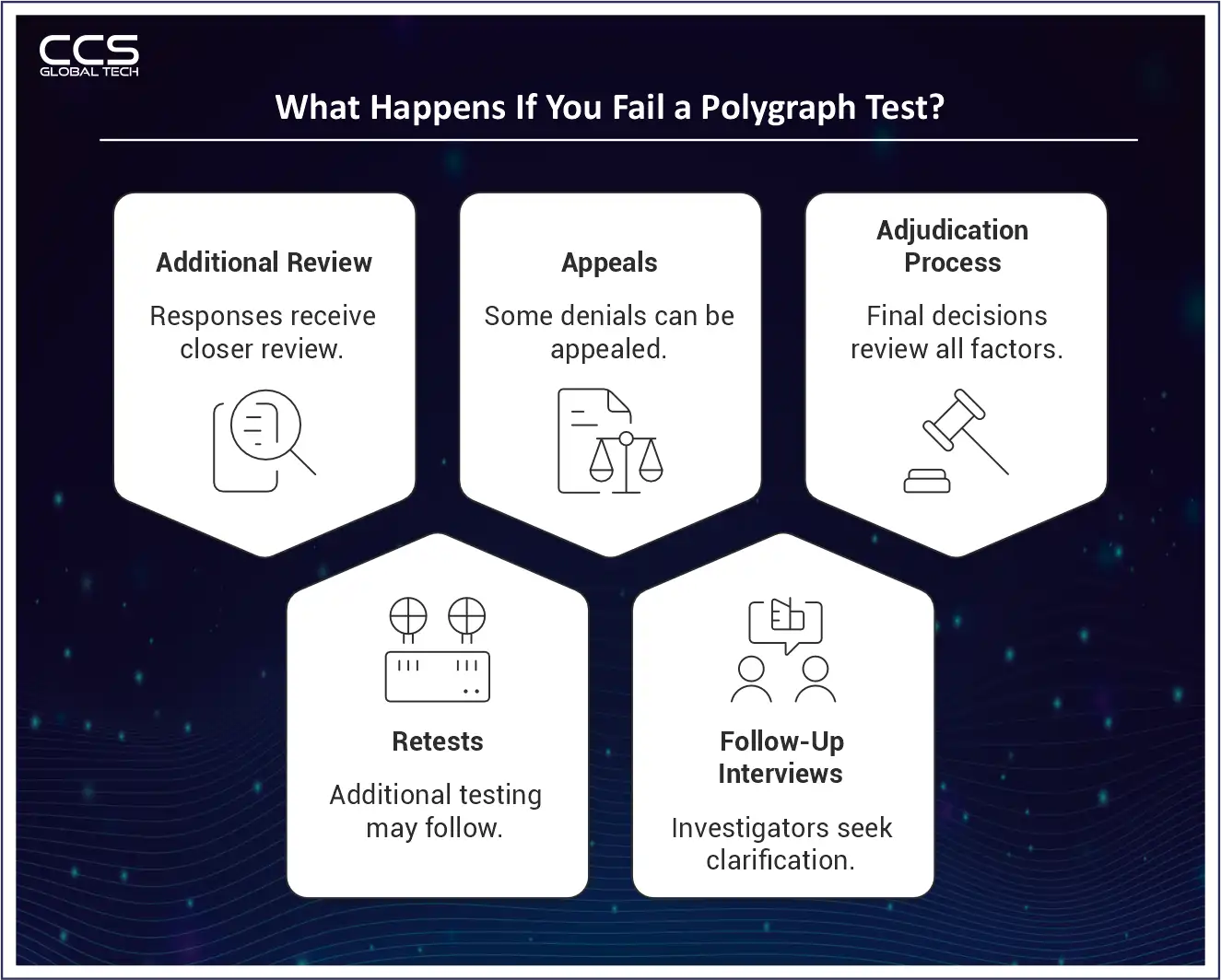
Wrapping It Up: Polygraphs as One Step in the Big Picture
FAQs
A- Yes. Many intelligence, defense, and national security agencies continue to use polygraph exams during clearance investigations and sensitive hiring processes.
Q1- Can you fail a polygraph test even if you are telling the truth?
A- Yes. Polygraphs measure physiological stress responses, not direct deception. Anxiety, fear, or medical conditions can sometimes trigger false positives.
Q2- Do federal agencies still use polygraph tests for security clearances?
Q3- What types of questions are asked during a polygraph test?
A- Questions often focus on criminal activity, drug use, foreign contacts, security violations, honesty during the application process, and handling of classified information.
Q4- Can a failed polygraph permanently end your federal career opportunities?
A- Not always. Polygraph results are typically reviewed alongside interviews, background investigations, and supporting evidence before final decisions are made.
Q5- How should candidates prepare for a polygraph examination?
A- Candidates should review their background information carefully, answer honestly, stay consistent, and avoid withholding relevant details during the investigation.
Q6- Are polygraph tests legal for private employers in the United States?
A- Most private employers are restricted from using polygraph tests under the Employee Polygraph Protection Act, with limited exceptions for certain industries.
Q7- What causes false positives during polygraph testing?
A- Stress, nervousness, sleep deprivation, medications, anxiety disorders, and misunderstanding questions can all influence physiological responses during the exam.
Q8- How accurate are polygraph tests in federal investigations?
A- Accuracy varies depending on testing methods, examiner experience, and context. Polygraph results are considered investigative tools rather than definitive proof of deception.
Q9- Why does honesty matter so much during a polygraph process?
A- Investigators often place greater concern on omissions, inconsistencies, or misleading answers than on older incidents that were fully disclosed and explained honestly.
Q10- What happens after a polygraph examination is completed?
A- Results are reviewed alongside the candidate’s background investigation, interview records, security history, and adjudication guidelines before final clearance decisions are made.