
What is a Security Background Check?
Criminal History: Establishing Baseline Trust
Employment Verification: Validating Professional Claims
Financial History: Gauging Vulnerability to Coercion

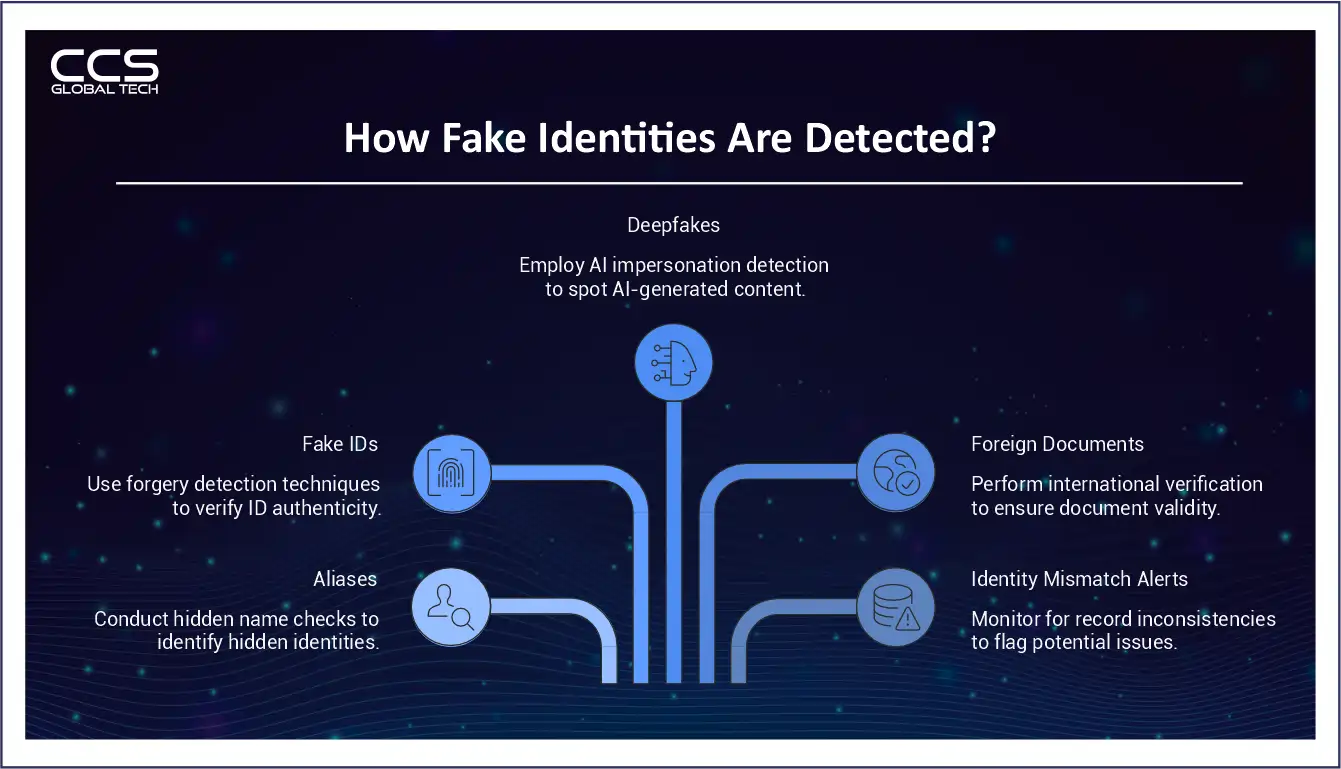
Identity Verification and Digital Footprint Analysis
Drug and Substance Use Screening
Specialized Requirements for Cleared and Security-Critical Positions
Continuous and Periodic Vetting Practices
Navigating Compliance and Legal Frameworks

Strengthening Your Security Hiring Strategy
FAQs
Q1- How far back do employers look during a security background check?
A- The review period depends on the role, industry, and clearance level. Many employers examine 7 to 10 years of criminal, employment, identity, and financial history, while federal clearance investigations often go deeper.
Q2- Do employers check credit history during security background screenings?
A- Many employers review credit history for signs of financial risk, including unpaid debt, collections, bankruptcies, or repeated delinquency. They are typically assessing financial responsibility rather than credit score alone.
Q3- Can debt affect the outcome of a security background check?
A- Yes. Unresolved financial problems can raise concerns about reliability and judgment. However, documented repayment plans, debt consolidation, and financial recovery efforts are often viewed as positive mitigating factors.
Q4- What criminal records are considered serious red flags during security screenings?
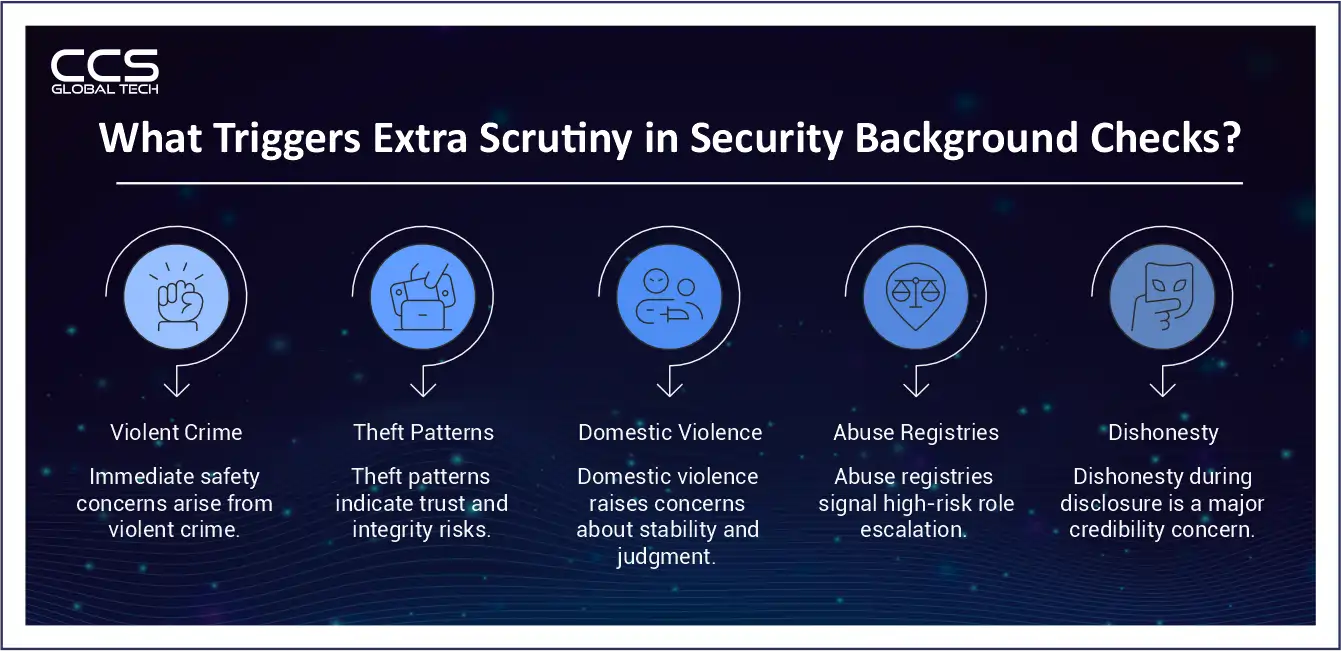
A- Employers pay close attention to crimes involving fraud, theft, cybercrime, violence, insider threats, or misuse of sensitive information, especially if the incidents are recent or repeated.
Q5- How do employers verify previous employment during background checks?
A- Employers and screening providers usually confirm job titles, dates of employment, employer names, and sometimes reasons for departure. Discrepancies between the resume and verified records can trigger additional review.
Q6- Do security background checks include social media screening?
A- Some organizations review publicly available online activity to identify behavior related to harassment, threats, extremist content, or disclosure of confidential information. Screening policies vary by employer.
Q7- Why is honesty important during a security background investigation?
A- Investigators often view dishonesty or omission as a greater concern than older incidents themselves. Full disclosure combined with evidence of stability and corrective action generally improves credibility.
Q8- What causes delays in security background investigations?
A- Common causes include incomplete forms, employment gaps, foreign travel history, unresolved financial issues, inconsistent information, and difficulty verifying records across multiple locations.
Q9- Can employers revoke a job offer after a failed background check?
A- Yes. Employers can withdraw conditional offers if screening results conflict with company policies, regulatory standards, or security requirements tied to the role.
Q10- What is continuous vetting in security clearance programs?
A- Continuous vetting uses automated monitoring systems to identify security-related concerns, including arrests, financial issues, or suspicious activity, after an individual has already received clearance.